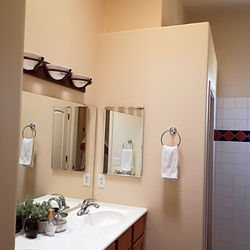
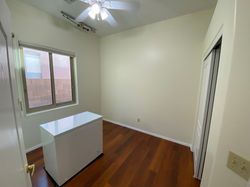
Walls
Clean, even coverage for living rooms, bedrooms, hallways, and open interior spaces.

Ceilings

Trim & Baseboards

Cabinets

Doors

Drywall Repairs
Smooth ceiling finishes with clean cut lines around lighting, fans, and trim.
Sharp lines and detailed trim painting for a clean, polished interior finish.
Careful preparation and durable cabinet finishes designed for everyday use.
Professionally painted interior doors with smooth finishes and consistent coverage.
Minor wall repairs and patchwork finished smooth before painting begins.
![]() | ![]() | ![]() | ![]() |
|---|---|---|---|
![]() | ![]() | ![]() | ![]() |
![]() | ![]() | ![]() | ![]() |
![]() | ![]() | ![]() | ![]() |
![]() | ![]() |

Interior Painting FAQS
-
How often should interior walls be painted?
-
What type of paint is best for interior walls?
Most interior walls should be repainted every 5–10 years depending on traffic, sunlight exposure, moisture, and overall wear. High-traffic areas like hallways, kitchens, and bathrooms usually need fresh paint sooner.
The best paint depends on the room and finish you want. Eggshell and satin finishes are popular for living spaces because they’re durable and easy to clean, while semi-gloss is commonly used for kitchens, bathrooms, and trim.
-
Do you repair drywall before painting?
Yes. Professional interior painting should include proper wall preparation, including drywall repairs, patching holes, fixing cracks, sanding, and surface cleaning before paint is applied.
-
How long does an interior painting project take?
-
Do I need to move furniture before painting?
Most single-room projects can be completed in 1–2 days, while full interior repaints may take several days depending on the size of the home, repairs needed, and drying times.
Small items and valuables should be removed before the project starts. Larger furniture is typically moved and protected with plastic and drop cloths during the painting process.
-
What should I expect during an interior painting project?
A professional interior painting project typically includes surface prep, drywall repairs, masking and protection, priming if needed, paint application, cleanup, and a final walkthrough to ensure quality results.

_edited.png)